Five studios in fifteen years. I built one capture team from nothing and rebuilt three more. At some point you stop calling that coincidence and start calling it the job.
Do that enough times and you stop guessing at what holds a team together. It's the people. Sounds obvious, but a lot of the industry still runs on the old Mad Men idea that one person owns the vision and everyone else executes it, and I don't buy it. Now and then someone really can carry a room that way. Most of the time the best work I've been near came out of rooms where nobody sat waiting to be told the idea, where everyone felt safe putting theirs down. Lifting each other up is how we lift the work up. The communication and the planning and being honest with people, none of that lands until you've got the first part right.
I picked that up long before I ever had a desk job. I grew up in theatre, dance and physical theatre from about the age of five, the devised sort where a group builds a whole piece together out of nothing. It got wired in young: I'm not the one with all the best ideas, and the real skill is making room for everyone else's. Took me years inside big studios to realise that had been a better creative education than most of the film-school CVs sat around me.
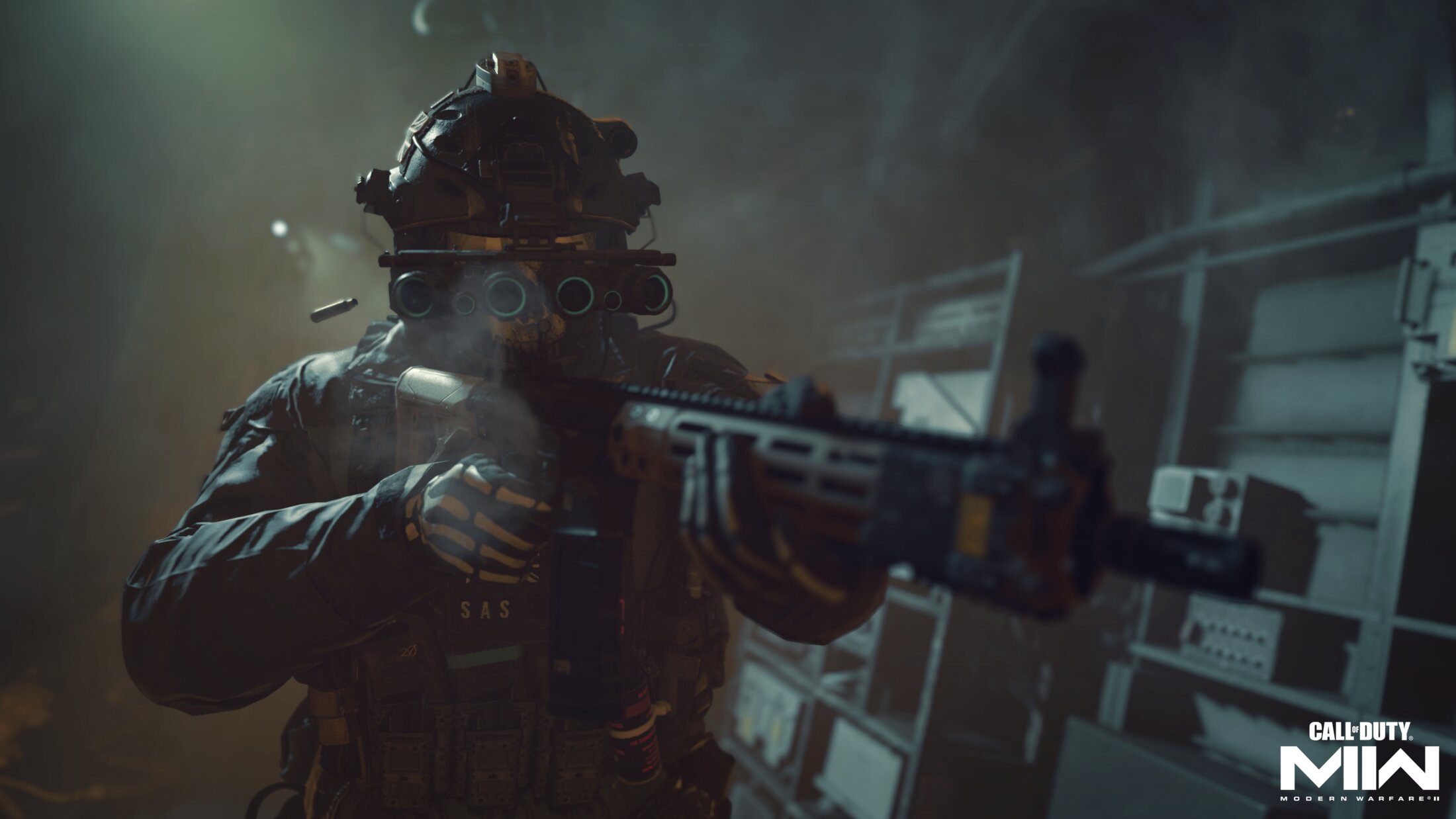
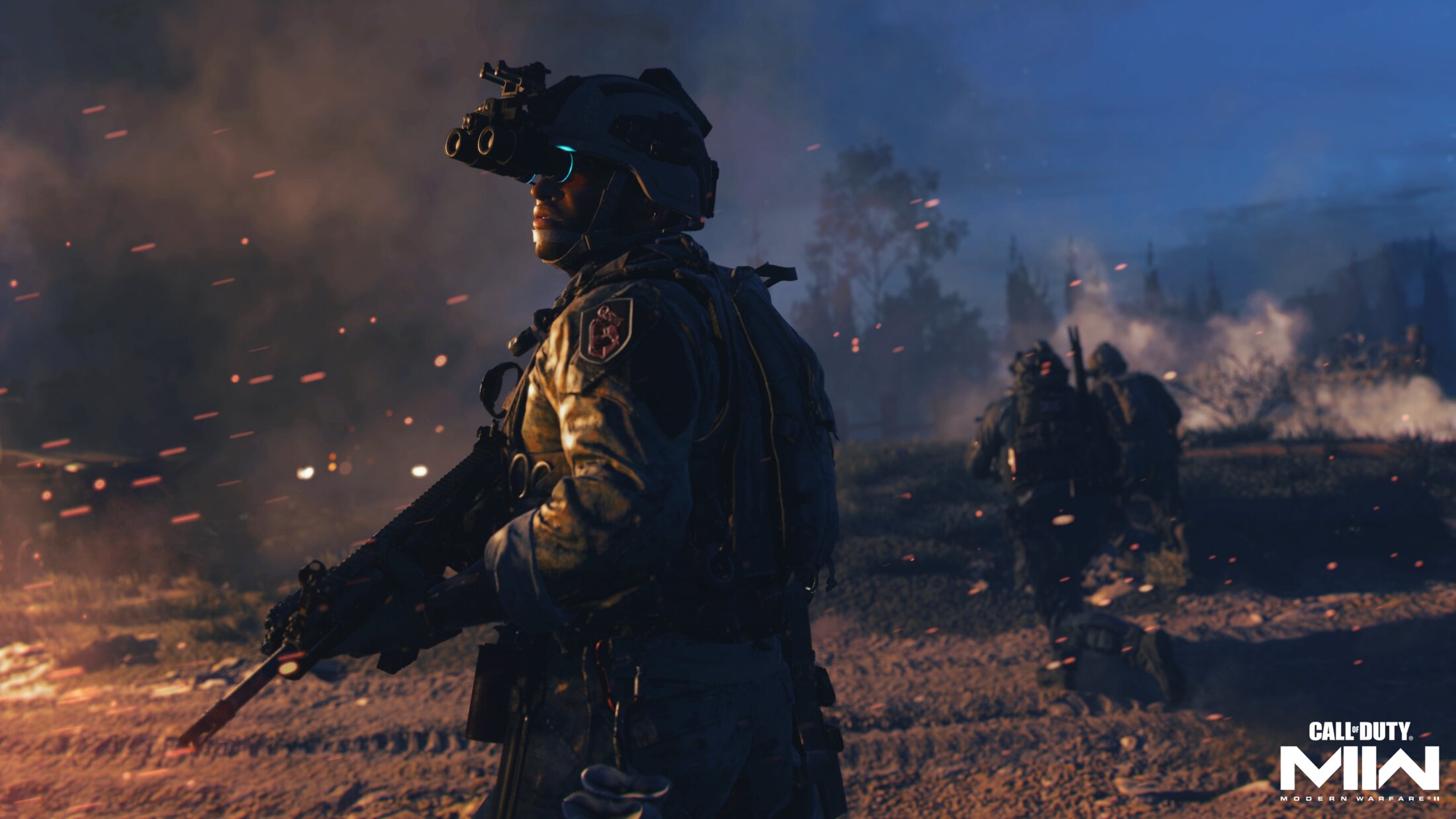
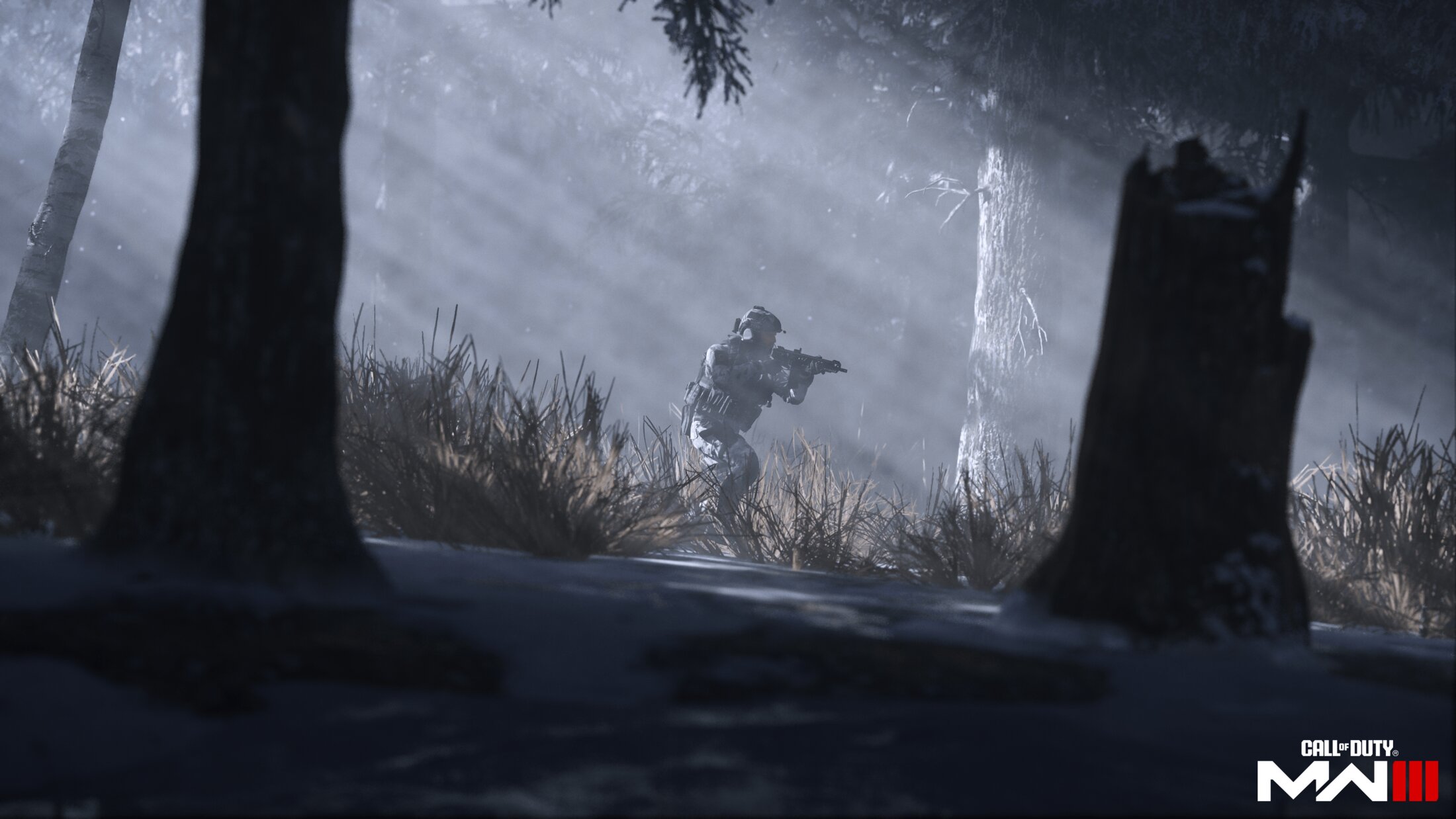
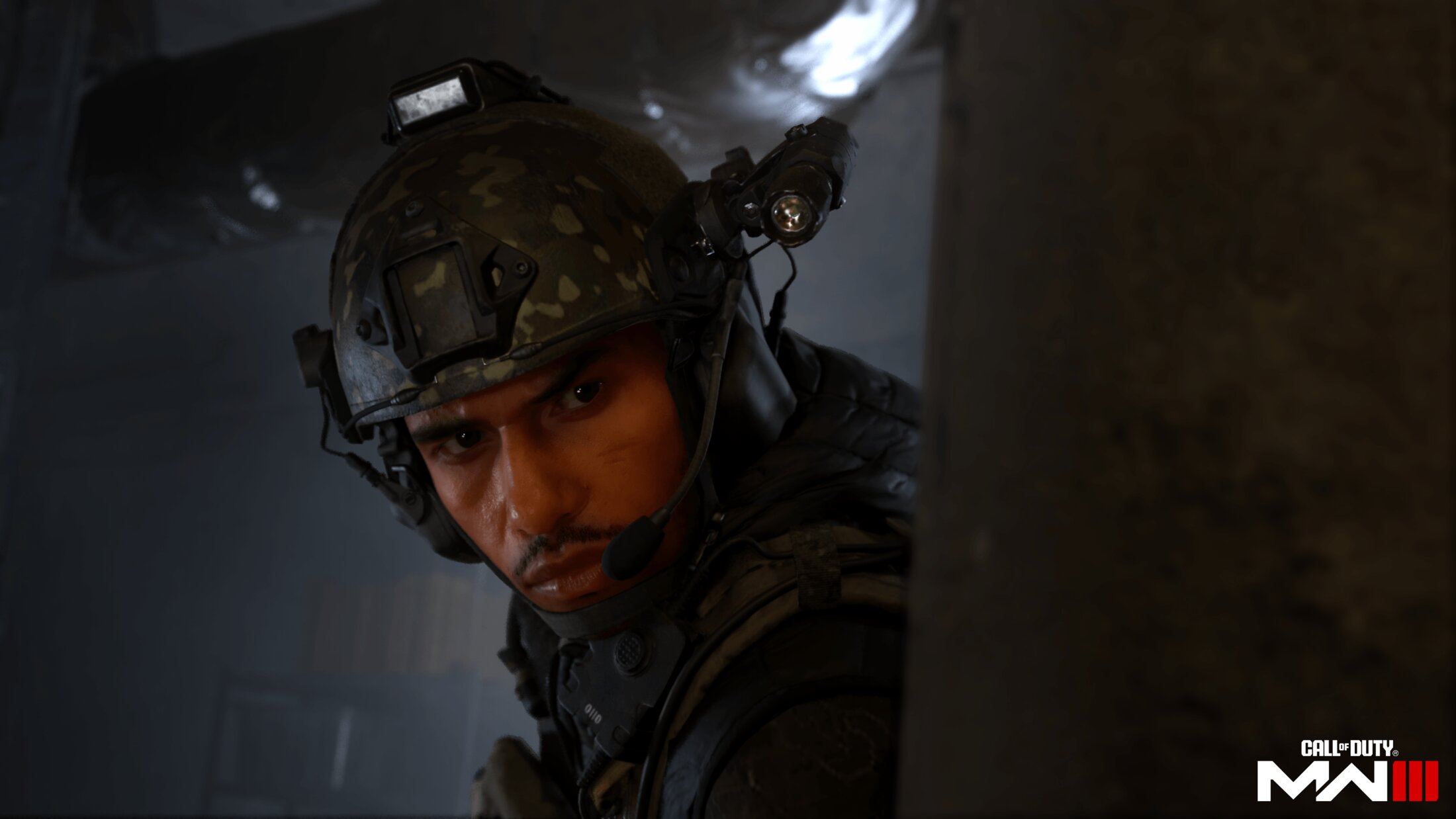
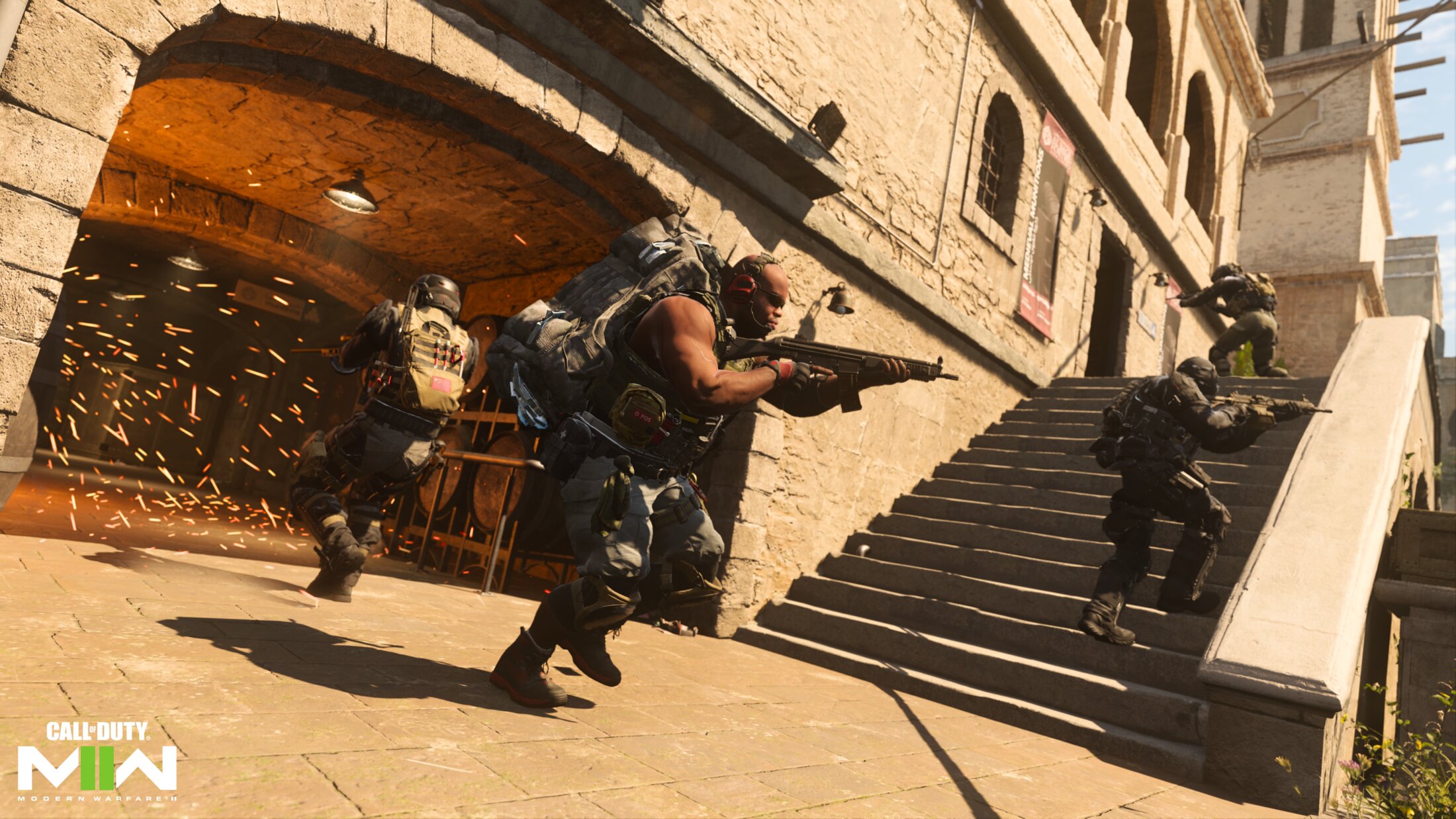
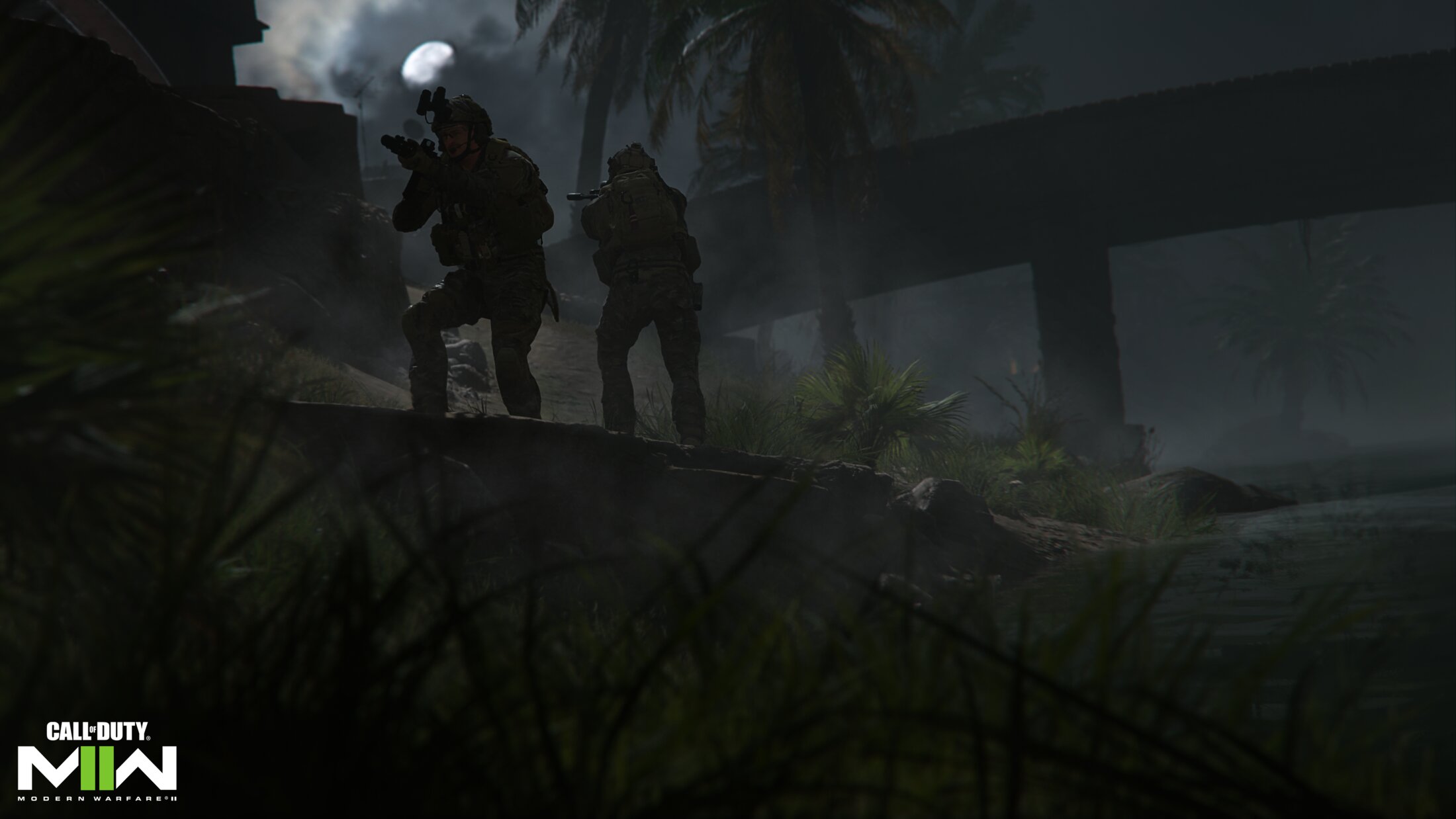
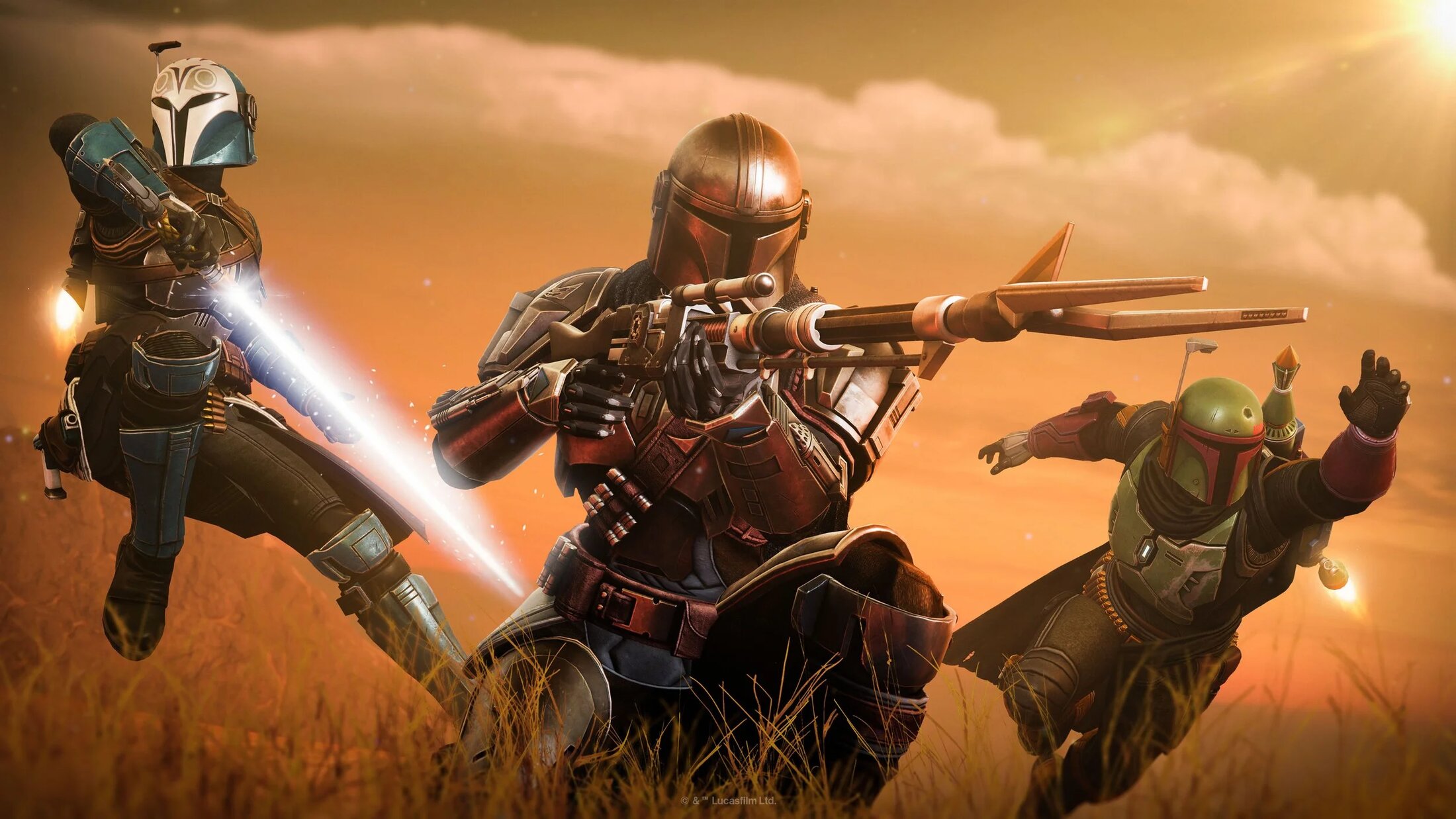
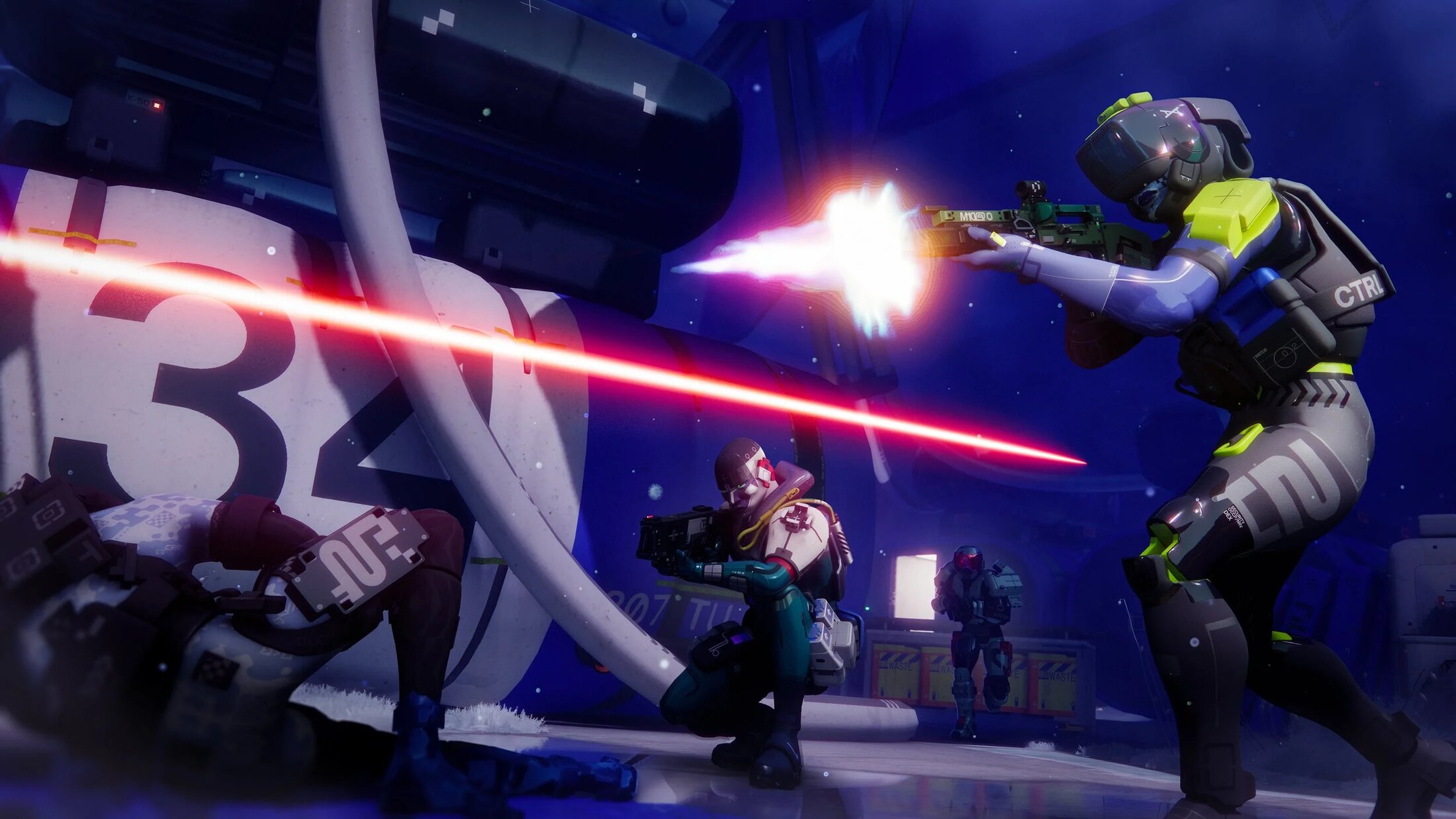
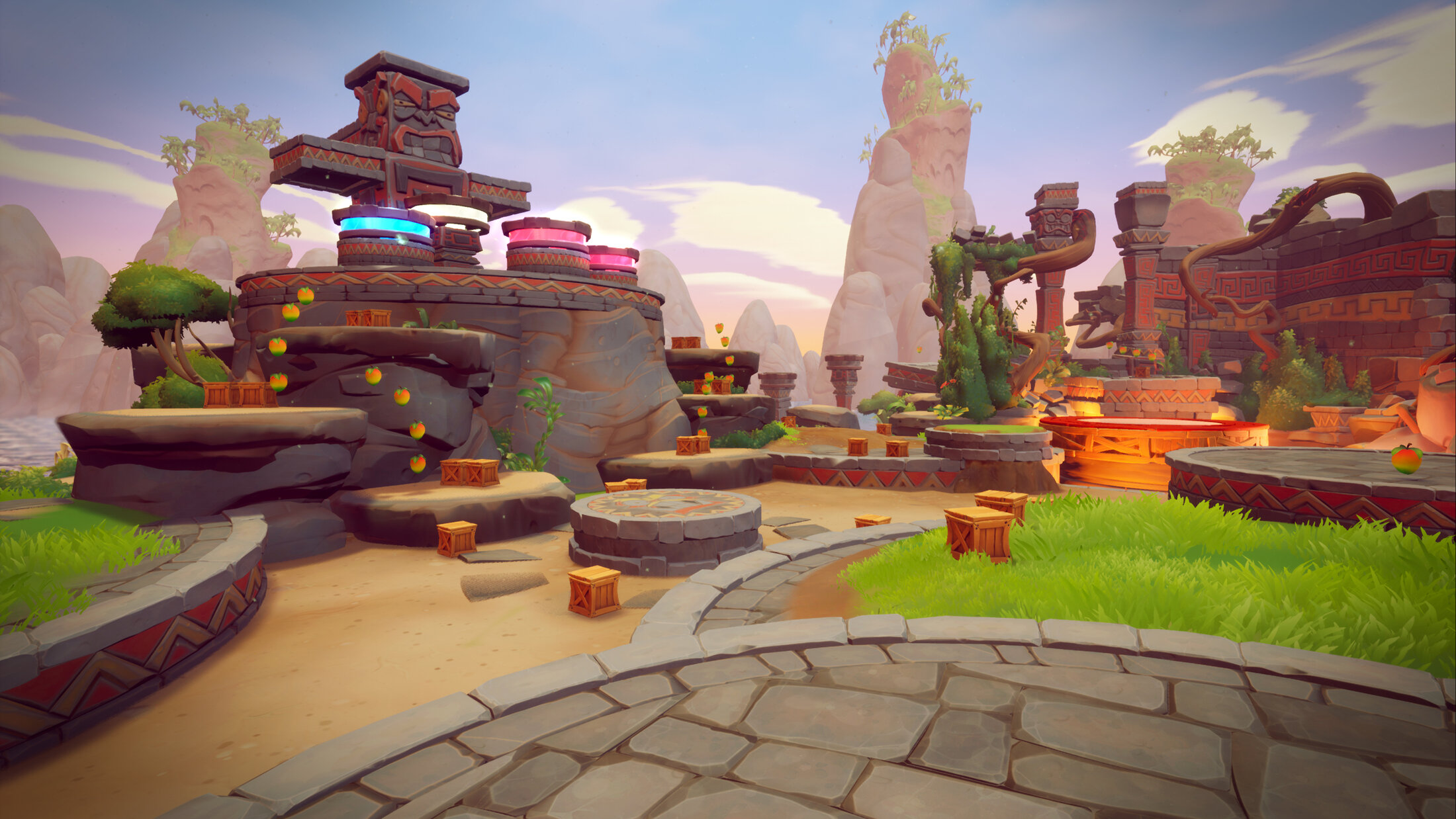
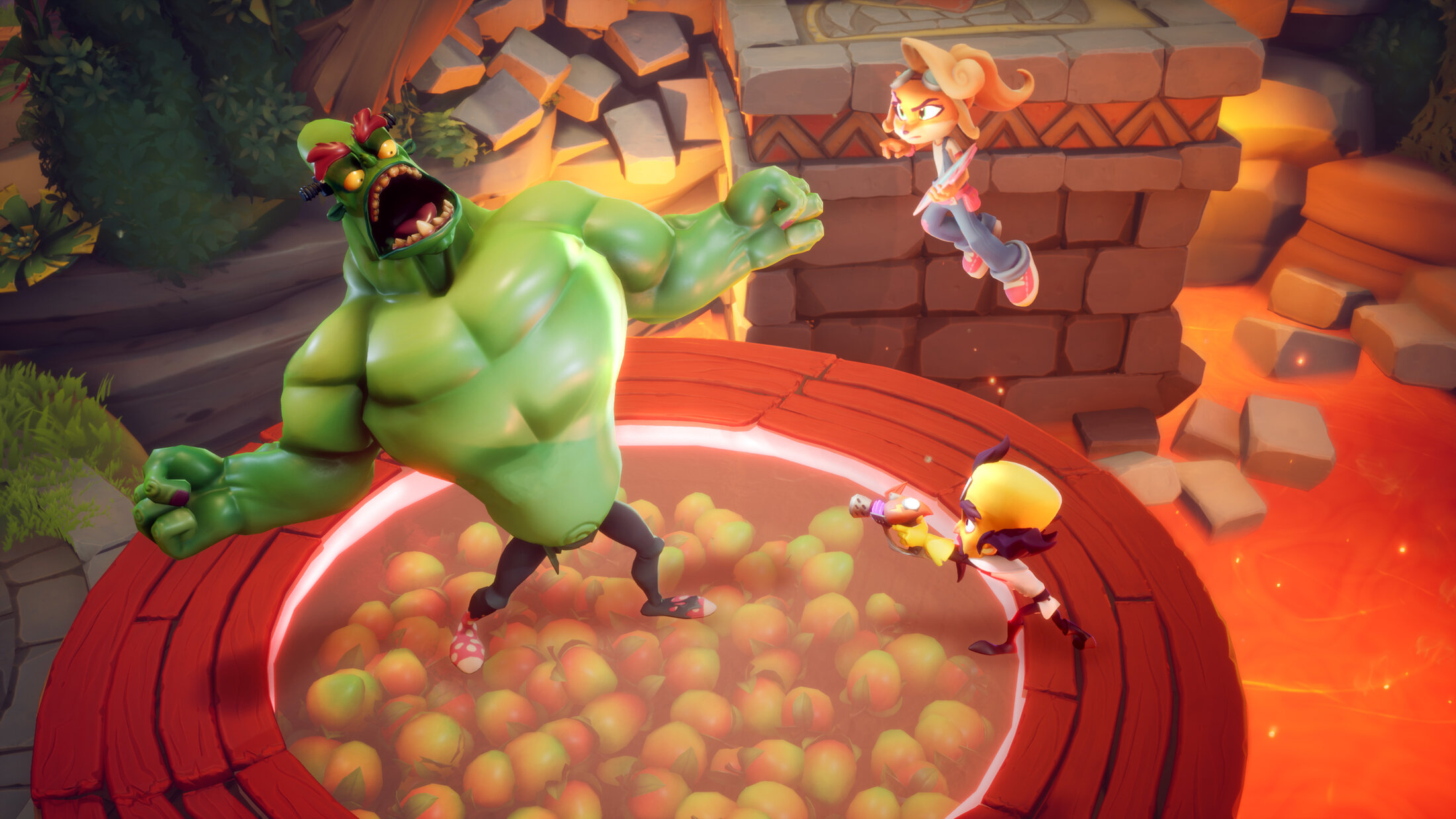
The actual craft is filmmaking. I make films inside video games. Someone hands me a game that's still half-built, I go in with virtual cameras, block the action like any other shoot, and come out with the trailers and screenshots that show players what it really is. Fifteen years of that, sat inside the marketing team at every studio.
The trailers were never really the point for me, though. What I care about is whatever makes the next one possible without the team burning out to get there. The pipeline behind it. The way the work actually gets reviewed. The tools people reach for instead of the ones they're handed. Anyone can direct one good video on a good week. The harder job, the one nobody claps for, is building a team and a system that ships good work on schedule, then getting people to properly use a new tool instead of just having it installed. That's what I've built my career around.
Lately a lot of that is AI, and I'm careful where I point it: never at the art, only at the busywork around it. Artists can lose hours a week just chasing files and logins across a dozen tools, so I've built assistants that hand that time back and keep the generative stuff in my own ideation, never in the shipped work. The ones who were most sceptical ended up finding it the most steadying.
Some of the artists I hired green, with no real experience, run their own teams now, a few of them directors and managers. That means more to me than anything I've ever put on a screen. The measure of a leader isn't how well you do, it's how well the people around you end up doing. Mine did well.
What I'm looking for: senior creative leadership: Creative Director, Head
of Capture or Cinematics, Creative Technology, and the roles that don't have a clean title
yet, building and running the teams and pipelines behind a studio's creative output, and
bringing AI into that work. Capture is where I come from; leading the people and the systems
is the job.